Need Help? Contact Us
Contact Us
Choose WhatsApp, phone or email and our team will help
Monday to Saturday: 09 AM to 06 PM
Sunday: 10AM to 3 PM
The team typically replies in a few minutes.

- [email protected]
- 03334440376
- Monday to Friday 8:30 - 17:30

Why More Families Are Helping Parents Stay Independent for Longer
For many families, the conversation about later life begins long before anyone mentions a care home.
It often starts with small changes that, taken individually, don't seem particularly significant. Mum isn't as confident driving after dark as she once was. Dad no longer enjoys maintaining the garden. Shopping trips become more tiring, the house feels increasingly difficult to manage, and family members begin calling a little more often simply to check everything is alright.
These moments are familiar to countless families across the UK. They rarely signal an immediate need for residential care, but they do raise an important question: how can we help our parents remain independent without leaving them to cope alone?
For many homeowners, that question is leading them towards a solution they may never previously have considered—a granny annexe.
Unlike a care home, the aim isn't to provide constant care or replace professional support where it is needed. Instead, it offers something many families value above all else: the opportunity for loved ones to remain independent while knowing that help, companionship and reassurance are only a few steps away.
Independence Shouldn't Mean Isolation
One of the biggest misconceptions about ageing is that the only alternatives are complete independence or residential care. In reality, many older people sit somewhere comfortably between the two.
They are perfectly capable of managing their own lives but would benefit from having family close by. They don't necessarily need someone to prepare every meal or assist with every daily task; they simply feel more confident knowing that someone is nearby if they need a hand, whether that's carrying the shopping, changing a light bulb or offering reassurance after a hospital appointment.
Perhaps more importantly, most older people simply don't want to leave the life they've spent decades building. Their routines, their possessions and their sense of independence all contribute to their wellbeing. Moving into residential accommodation can represent a significant emotional adjustment, even when it is the right decision.
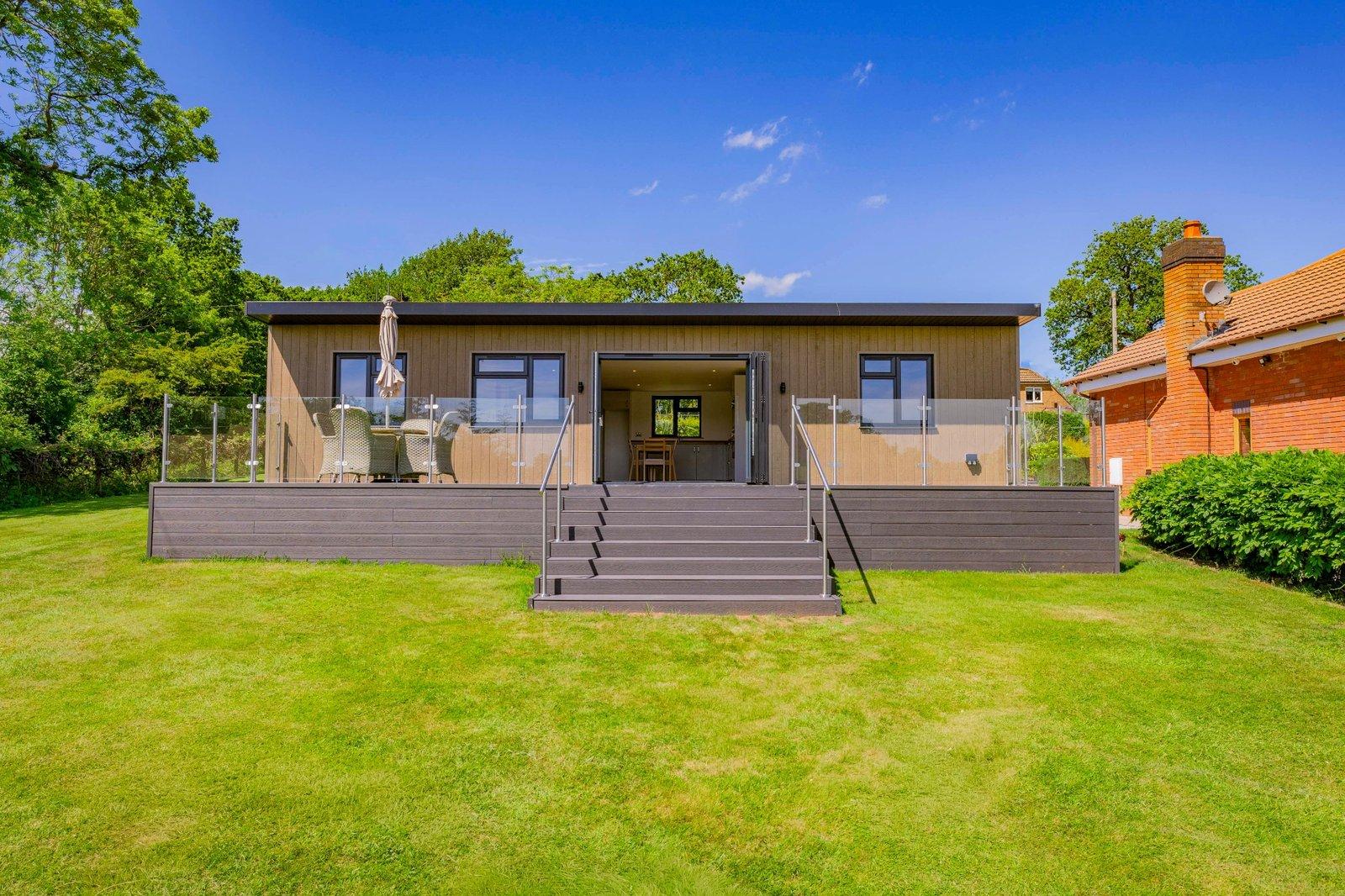
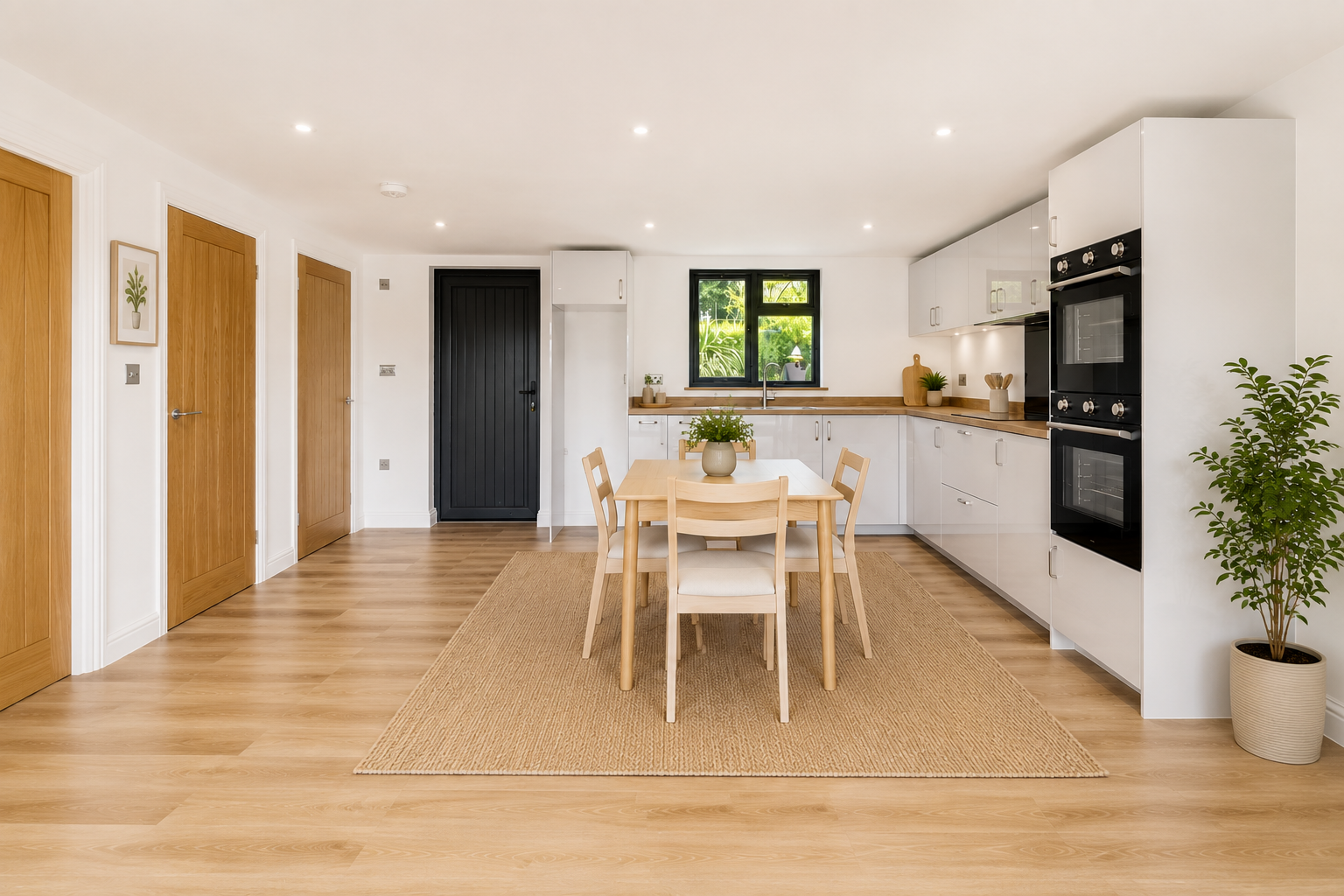
A well-designed granny annexe offers a different approach. It provides a fully self-contained home, complete with its own front door, kitchen, bathroom and living space, allowing parents to continue living independently while remaining closely connected to everyday family life.
Sometimes the Greatest Challenge Isn't Care – It's Loneliness
When people think about growing older, they often focus on declining health. Yet for many older adults, one of the greatest challenges is something far less visible.
Loneliness.
As children build careers, grandchildren grow up and partners pass away, the family home can become a much quieter place. Days that were once filled with conversation gradually become more isolated, and visits that used to happen every day may become weekly or even monthly.
Bringing generations closer together doesn't simply make life more convenient; it can transform everyday life. Instead of arranging visits around busy schedules, families begin sharing ordinary moments again. Grandchildren call in after school, Sunday lunches become routine rather than occasional, and a quick cup of tea after work no longer requires a forty-minute drive.
These may seem like small moments, but they are often the moments that matter most.
Delaying Residential Care Can Benefit the Whole Family
It's important to be clear that a granny annexe is not an alternative to specialist nursing care. There are many situations where residential care provides an essential level of medical support that simply cannot be replicated at home.
However, there is also a significant group of older people who do not require that level of care today. They simply need a little more support than they did a few years ago.
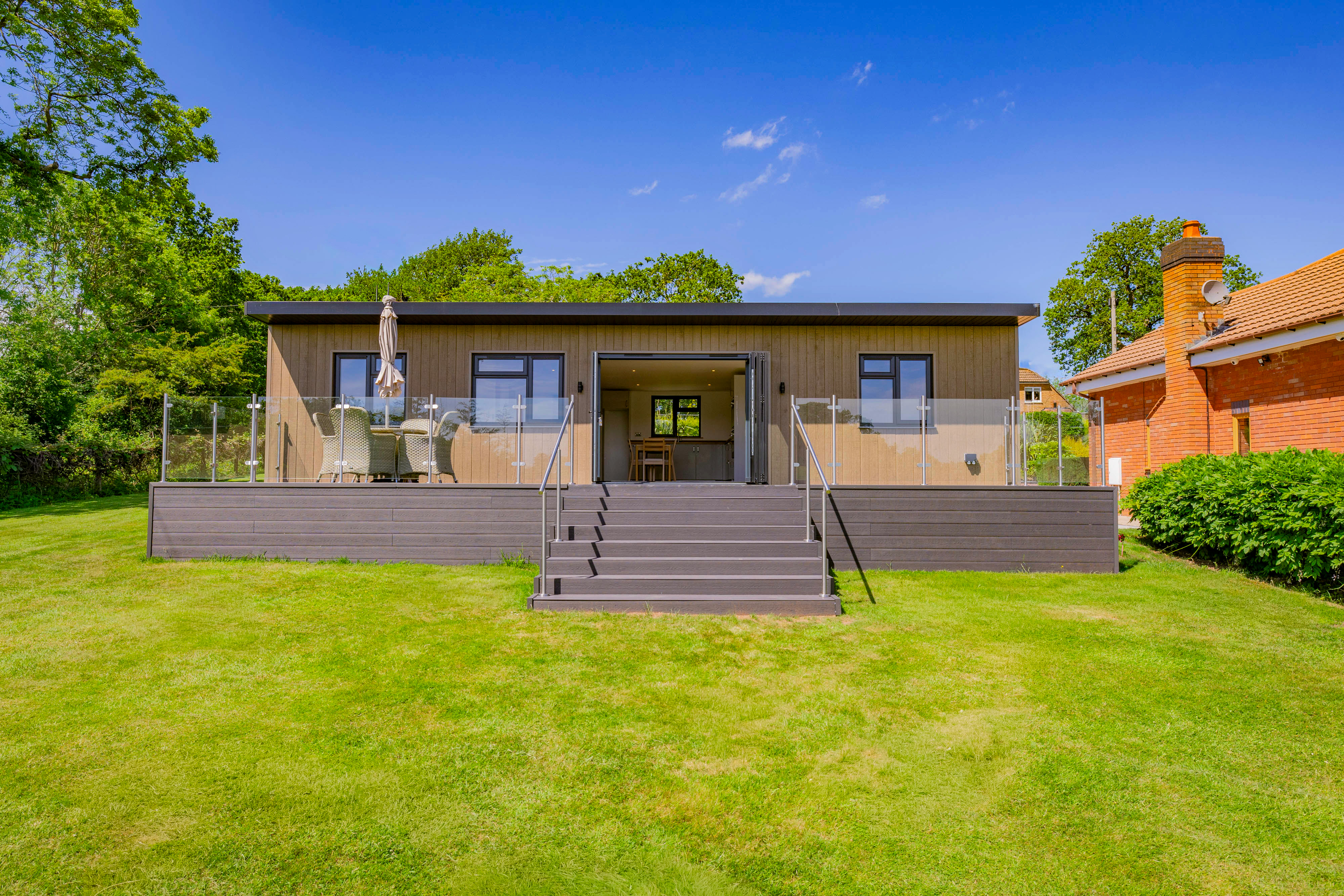
For these families, an annexe can help bridge the gap between complete independence and residential care. Having family close by often makes it easier to manage everyday challenges before they become bigger problems, while allowing parents to retain the dignity and autonomy that comes from living in their own home.
As we explored in our previous articles, delaying the need for residential care can also have significant financial benefits. But interestingly, when families tell us why they chose an annexe, money is rarely the first thing they mention.
They talk about peace of mind.
About knowing Mum isn't sitting alone every evening.
About grandchildren growing up with their grandparents just across the garden.
About keeping the family together for longer.
A Different Way of Thinking About Later Life
For decades, many people have viewed residential care as an inevitable stage of ageing. Increasingly, families are beginning to challenge that assumption.
Rather than asking “When will Mum need a care home?”, they are asking a different question altogether: “What can we do to help Mum stay independent for as long as possible?”
That subtle change in thinking has transformed the conversation.
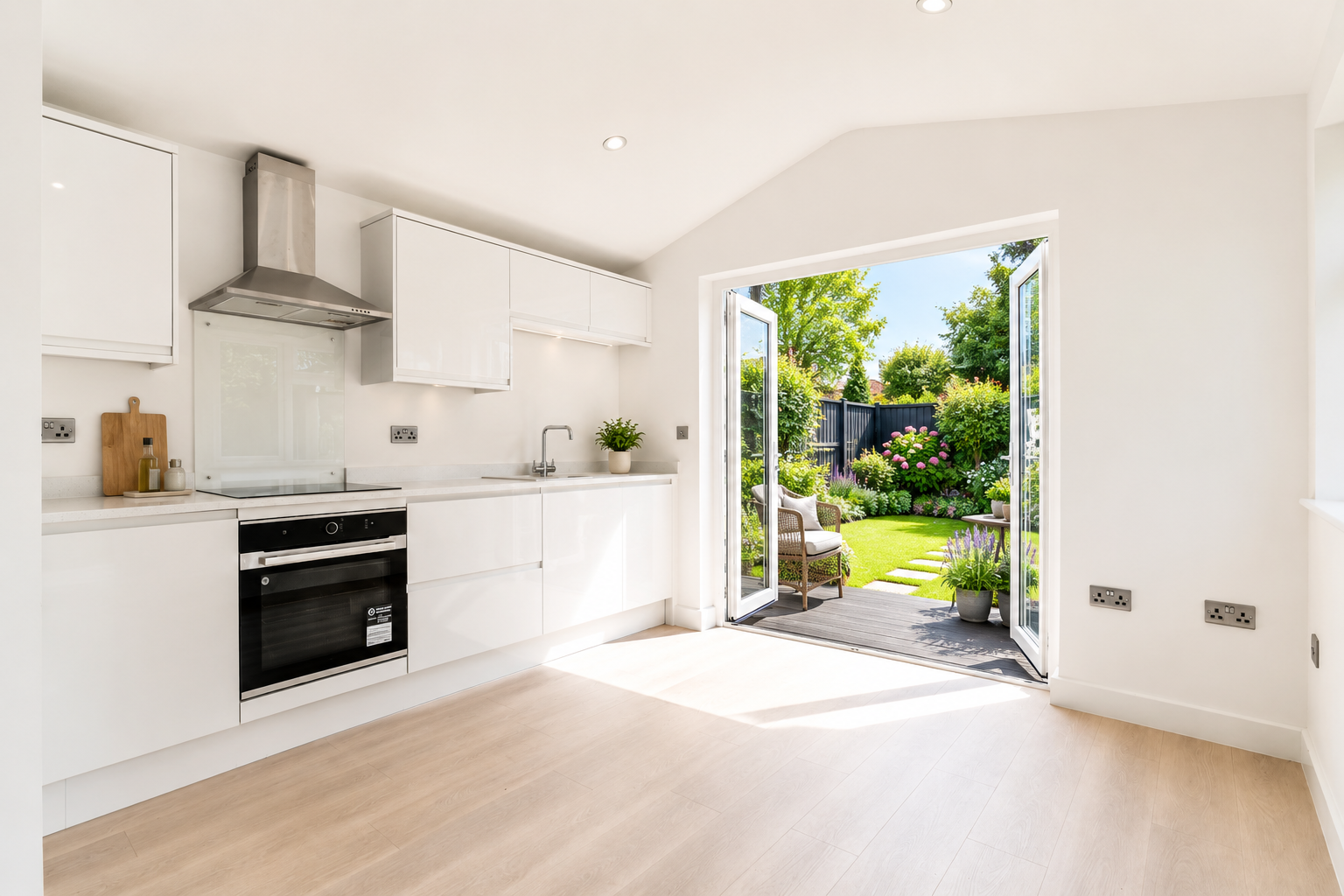
A granny annexe isn't simply an additional building in the garden. For many families, it becomes part of a longer-term plan that prioritises independence, preserves family connections and creates an environment where support feels natural rather than institutional.
It isn't about avoiding care at all costs. It's about recognising that, for many older people, there is a stage between living completely alone and moving into residential care—and that stage can often be the happiest, provided the right environment is created.

Final Thoughts
Every family's circumstances are different, and there is no single solution that suits everyone. Residential care will always play an essential role for those who require specialist support, and for many families it remains the safest and most appropriate choice.
For others, however, the immediate challenge isn't finding a care home—it is finding a way to help a loved one remain independent, connected and close to the people they care about most.
A granny annexe won't stop the ageing process, nor should it be seen as a replacement for professional care when that care becomes necessary. What it can do is give families something that is becoming increasingly valuable: more time together, greater peace of mind and the reassurance that independence doesn't have to come at the cost of isolation.
Perhaps that's why so many families aren't asking how to choose a better care home.
They're asking how to help their parents stay happily out of one for as long as possible.
recent posts
Beginner's Guide To Granny Annexe Planning Permission In The UK
08 September 2026
The Benefits Of Adding A 2-Bedroom Annexe To Your Property
26 January 2026

How A Granny Annexe Can Add Value To Your Property
05 February 2026

Search
People also search for:
Top