Need Help? Contact Us
Contact Us
Choose WhatsApp, phone or email and our team will help
Monday to Saturday: 09 AM to 06 PM
Sunday: 10AM to 3 PM
The team typically replies in a few minutes.

- [email protected]
- 03334440376
- Monday to Friday 8:30 - 17:30
Why More Homeowners Are Re-Thinking Inheritance, Housing and Long-Term Financial Planning
Most people spend their entire adult lives building wealth.They work hard, pay off mortgages, invest in their homes and make sacrifices in the hope of creating greater financial security for themselves and their families.
For many homeowners, the family home eventually becomes their largest asset. It represents decades of hard work, rising property values and careful financial planning. Yet despite spending years focused on building wealth, surprisingly few families spend enough time thinking about how that wealth may eventually be lost.
- Care costs.
- Housing costs.
- Inheritance tax.
- Downsizing expenses.
- Separate living arrangements.
- Duplicated household bills.
Individually, these costs can seem manageable. Collectively, they can quietly remove hundreds of thousands of pounds from a family's balance sheet over time. Which raises an important question:
“Could a granny annexe help preserve more of your family's wealth while also creating a better way of living?”
Increasingly, families across the UK are beginning to think the answer may be yes.
Wealth Preservation Isn't Just About Inheritance Tax
When people hear the phrase "wealth preservation", inheritance tax is often the first thing that comes to mind. And understandably so. Many homeowners are becoming increasingly aware that inheritance tax receipts continue to rise year after year, bringing estate planning into sharper focus for families with significant property wealth. However, inheritance tax is only one part of a much bigger picture.
The reality is that many families lose substantial amounts of wealth long before inheritance tax ever becomes relevant. Family wealth is often eroded through:
- Care fees
- Buying separate accommodation
- Moving costs
- Stamp duty
- Legal fees
- Retirement living expenses
- Maintaining multiple properties
- Duplicated household costs
In many cases, these expenses have a far greater impact on family wealth than people initially realise. The greatest threat to family wealth is rarely a single tax bill. More often, it's a series of expensive decisions that gradually move money out of the family over time.

The Hidden Cost of Separate Living
Consider a situation that thousands of families face every year. An ageing parent wants to remain independent but is finding their current home increasingly difficult to manage. Traditionally, families may consider:
- Purchasing a bungalow
- Renting separate accommodation
- Moving into a retirement development
- Eventually considering residential care
At first glance, these options may appear the best available . But they often create an entirely separate household with its own ongoing costs. Those costs can include:
- Mortgage or purchase costs
- Stamp duty
- Solicitors fees
- Utility standing charges
- Council tax
- Broadband contracts
- Insurance
- Property maintenance
- Future moving expenses
When viewed over five, ten or even fifteen years, the financial impact can be substantial. The irony is that many families already own a valuable asset that may provide an alternative solution: their existing property.

The £250,000 Family Decision
Imagine two families facing exactly the same challenge.Both have a parent who wishes to remain independent while staying close to loved ones.
Family A – Purchasing a Separate Property
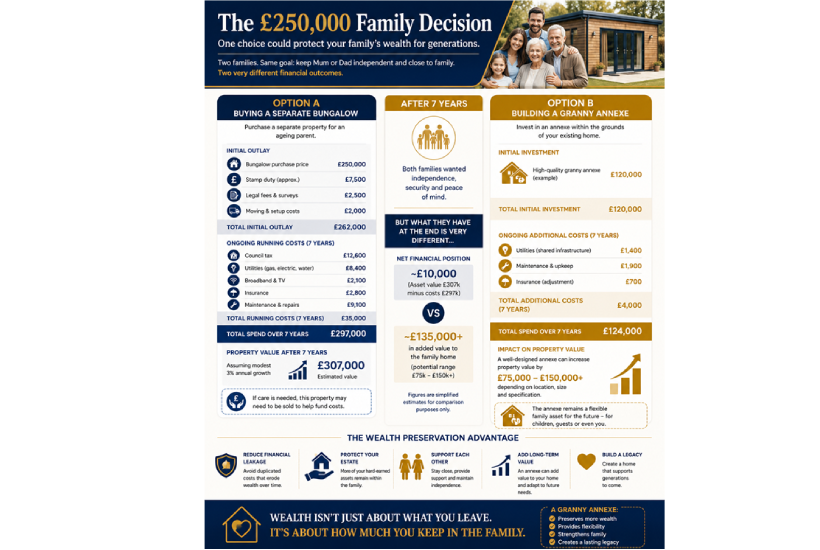
The family purchases a modest bungalow for £250,000. After legal fees, surveys, moving costs and associated expenses, their initial outlay reaches approximately £260,000.
Over the next seven years they incur ongoing costs for:
- Council tax
- Utilities
- Insurance
- Broadband
- General maintenance
- Property upkeep
Assuming just £4,000 per year in running costs, that adds a further £28,000.
Total expenditure after seven years:
Approximately £288,000
Now let's assume the bungalow increases in value by a relatively modest 3% per year. After seven years it may be worth around:
£307,000
On paper, this appears to be a positive outcome. However, the family has still funded:
- Two separate households
- Two sets of household bills
- Two properties to maintain
- Two sets of future housing decisions
And if care becomes necessary later in life, the property may ultimately need to be sold to help fund ongoing support.
Family B – Building a Granny Annexe
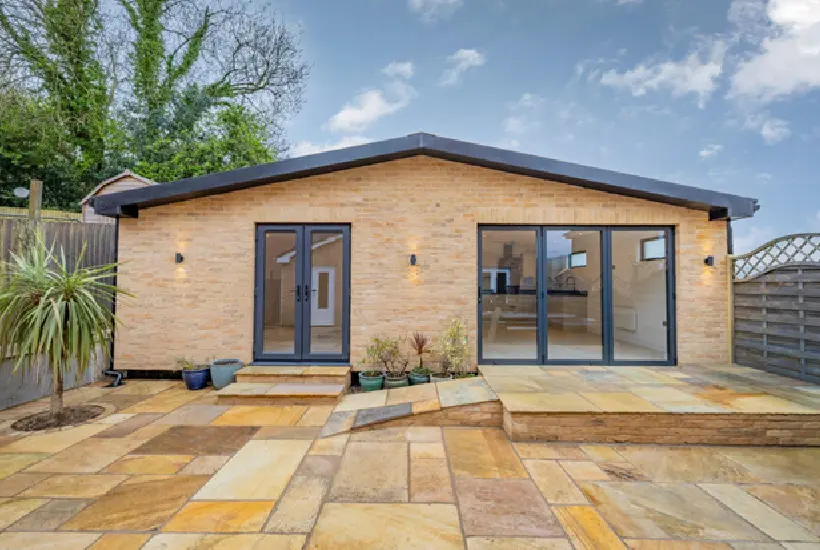
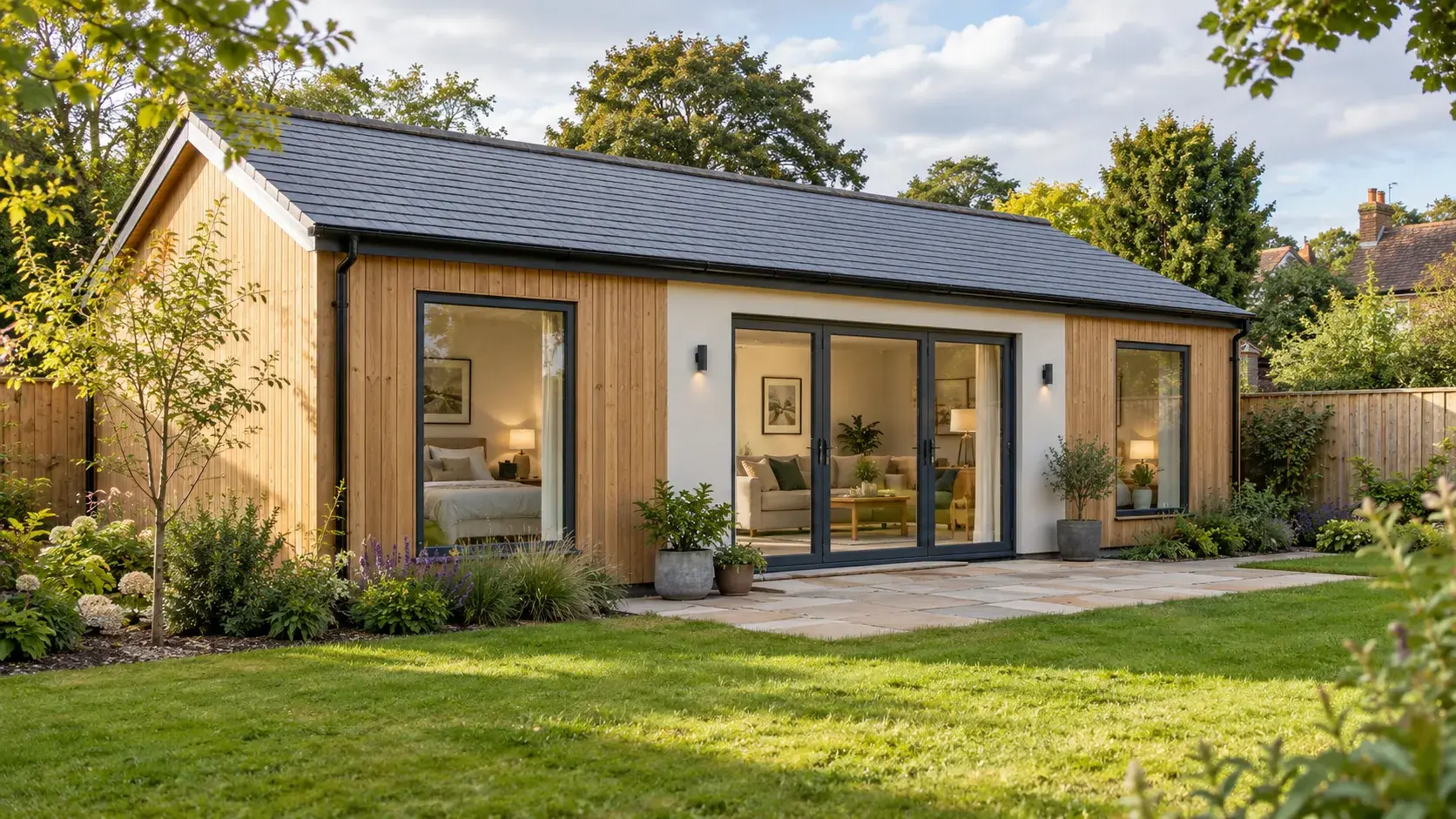
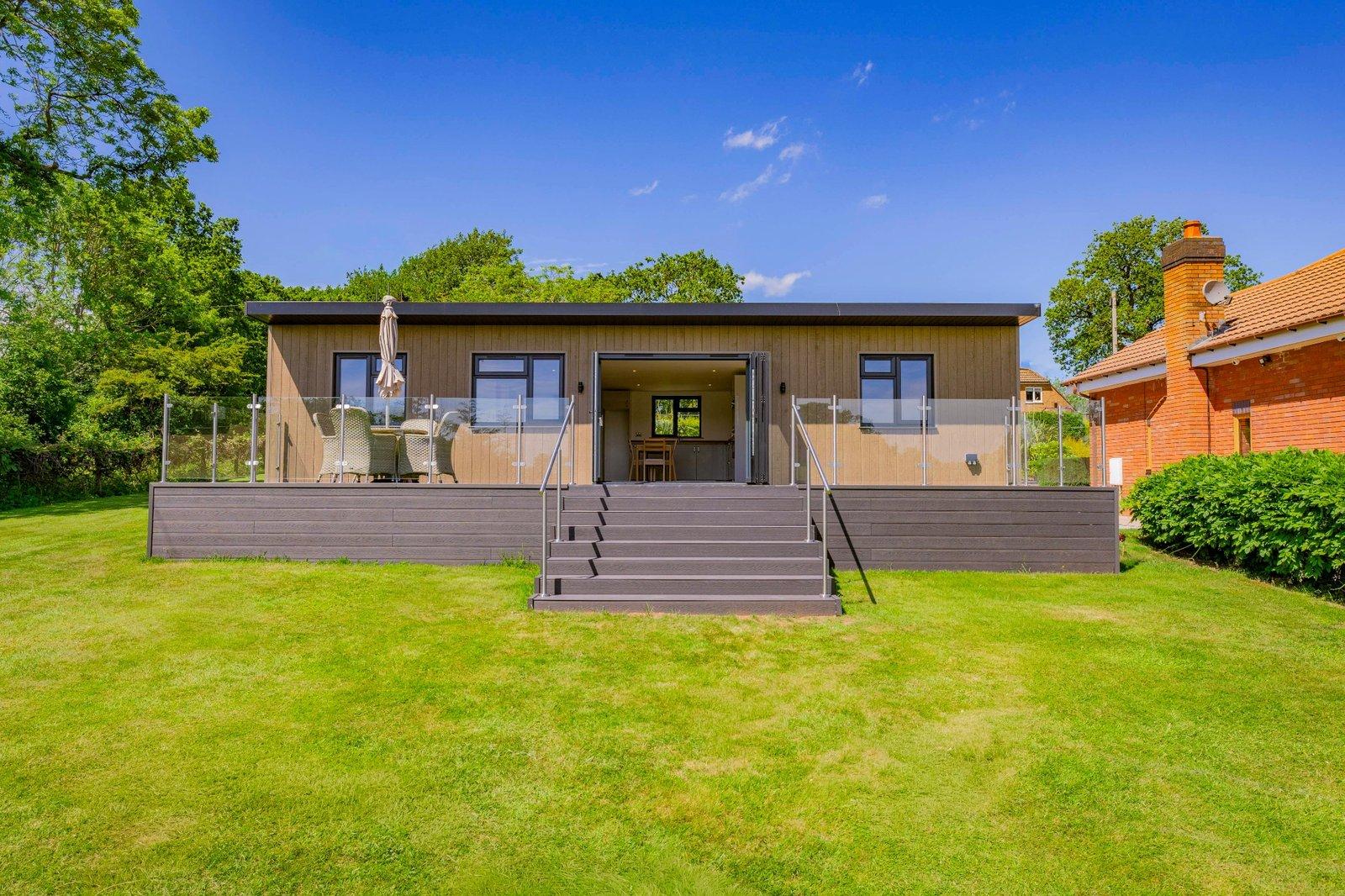
Instead, the second family invests £120,000 into a high-quality granny annexe within the grounds of their existing property. The parent retains:
- Independence
- Privacy
- Their own front door
- Their own living space
- Proximity to family support
The family avoids:
- Stamp duty
- Legal fees
- Purchasing a second property
- Much of the duplicated infrastructure associated with separate living arrangements
Most importantly, the investment remains attached to the family's primary asset.
Now let's assume the annexe contributes a conservative £75,000–£150,000 of additional value to the main property, depending on specification, location and market demand. Seven years later the family still owns:
- The original home
- The annexe
- Additional accommodation
- Future flexibility
- Potential property value uplift
Unlike rent, care fees or duplicated housing costs, the investment has not simply been consumed. It continues providing value.
Why More Families Are Looking Beyond Traditional Inheritance Planning
The conversation around inheritance is changing. Historically, many people viewed inheritance planning as something that happened later in life. Today, more families are recognising that wealth preservation starts much earlier. They are asking questions such as:
- How can we support ageing parents?
- How can we help adult children?
- How can we make better use of the property we already own?
- How can we reduce unnecessary financial leakage?
In other words: Wealth preservation is no longer just about what happens after death. It's increasingly about the financial decisions families make during life. And that is where granny annexes are becoming part of the conversation. Not because they eliminate inheritance tax. Not because they are a magic financial solution. But because they can help families make more efficient use of assets they already own.
The Multi-Generational Living Advantage
One of the biggest shifts taking place across the UK is the rise of multi-generational living. For many years, families moved further apart. Today, economic pressures are encouraging many to move closer together again.
- Rising house prices.
- Higher living costs.
- Increasing care costs.
- Expensive childcare.
- An ageing population.
All of these factors are encouraging families to think differently about how they live. A well-designed granny annexe can provide:
- Independence for older relatives
- Support for adult children
- Accommodation for guests
- Future retirement flexibility
- A stronger family support network
This creates value that extends far beyond simple financial calculations.

It’s About More Than Just Money
Of course, not every decision can be reduced to pounds and pence. For many families, the emotional benefits are just as important. Parents often want:
- Independence
- Privacy
- Familiar surroundings
- Close relationships with grandchildren
- The reassurance that help is nearby when needed
Children often want:
- Peace of mind
- Easier support arrangements
- More time together
- Greater flexibility
That is where annexes can provide something many traditional housing solutions struggle to achieve: Independence without isolation. For many older people, that balance can be every bit as valuable as the financial savings.
The Multi-Generational Living Advantage
One of the biggest shifts taking place across the UK is the rise of multi-generational living. For many years, families moved further apart. Today, economic pressures are encouraging many to move closer together again.
- Rising house prices.
- Higher living costs.
- Increasing care costs.
- Expensive childcare.
- An ageing population.
All of these factors are encouraging families to think differently about how they live. A well-designed granny annexe can provide:
- Independence for older relatives
- Support for adult children
- Accommodation for guests
- Future retirement flexibility
- A stronger family support network
This creates value that extends far beyond simple financial calculations.
Creating a Long-Term Family Asset
Perhaps the most overlooked benefit of a granny annexe is what happens after the original need changes. Today it may house a parent. Tomorrow it could become:
- Accommodation for an adult child
- Guest accommodation
- A home office
- A hobby room
- A future downsizing solution
The investment continues providing value long after the original purpose has changed. This is one of the reasons many homeowners increasingly view annexes not as an expense, but as part of a broader long-term property and family wealth strategy.
A Different Way of Thinking About Wealth
Perhaps the biggest shift is how families are beginning to define wealth itself. For previous generations, wealth was often measured by:
- Savings
- Investments
- Property values
Today, many families are taking a broader view. They are asking:
- How can we support one another?
- How can we keep family close?
- How can we avoid unnecessary costs?
- How can we make smarter use of the assets we already own?
Increasingly, the answer is not another move. Not another property purchase. And not another set of household bills. Sometimes the solution is already sitting within the boundary of the family home.
Final Thoughts
A granny annexe should never be viewed simply as an additional building in the garden. For many families, it represents something much bigger. It can be:
- A housing solution
- A retirement planning tool
- A multi-generational living solution
- A way of supporting ageing parents
- A method of creating long-term family flexibility
- A strategy for preserving more family wealth
Because ultimately, preserving wealth isn't simply about reducing tax. It's about making thoughtful decisions that allow more of a family's hard-earned assets to benefit the people they care about most. And sometimes, the most valuable family asset isn't a pension, investment portfolio or savings account. It's a home that has been adapted to support multiple generations while keeping family, opportunity and support exactly where many believe they belong:
Frequently Asked Questions
A granny annexe is a self contained living accommodation located on the same property as the main house or a garden. It typically includes a bedroom, a bathroom, kitchen and living area, allowing a member to live independently while remaining close to the loved ones.
The term originated because these structures were commonly built to accommodate elderly parents or grandparents. Today granny annexes are used for a variety of purposes including guest accommodation, home offices & housing for children also.
One of the main benefits of installing granny annexes include more property value, independent living for family members, flexible use of space, support for multigenerational living solutions.
recent posts
Search
People also search for:
Top